Start reading a bowl at its edge
The edge of a bowl is where its inside and outside meet.
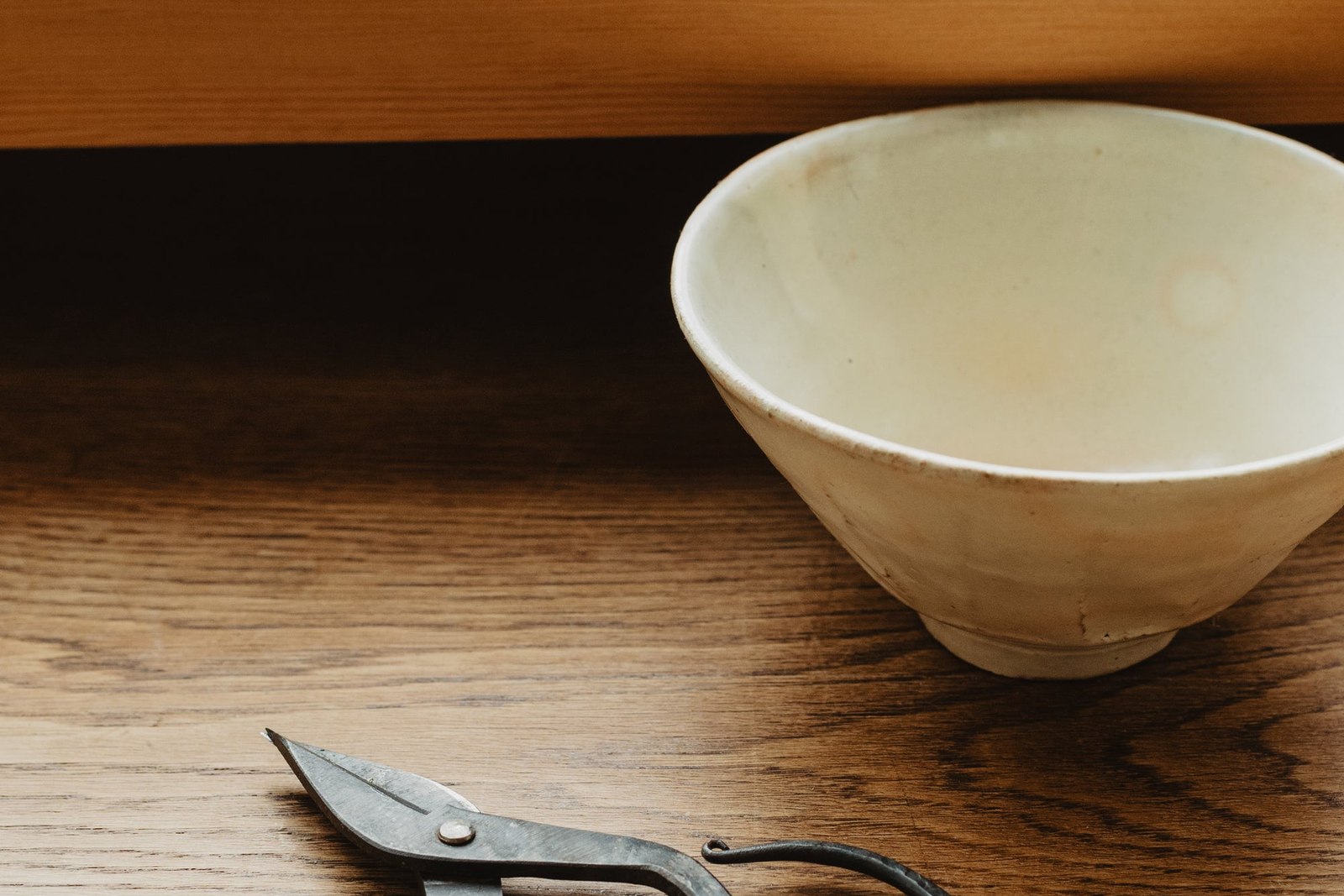
The edge of a bowl is where its inside and outside meet. It can tell you as much about the object as the pattern at the centre.
Look at the rim from above and from the side without handling a museum object or anything fragile. Is it rounded, thin, flared or turned inward? Follow the line around the whole bowl. A photograph taken straight down can hide the shape that becomes obvious in profile.
Describe before comparing
Use ordinary words and a small sketch if helpful. Note where the curve changes and how the edge relates to the foot. Distinguish a visible irregularity from an explanation of how it was made. A slight variation does not, by itself, establish hand production, age or quality.
With an everyday bowl you own, consider the relationship to its actual use. Does the edge allow a spoon to rest, guide pouring or simply frame the contents? These are questions to explore, not claims about the maker's intention without supporting information.
When recording a collection object, include its official name and reference number beside the description. Keep the institution's attribution separate from your own observations. This makes it possible to return later and compare the rim with another bowl without turning a first impression into an unsupported history.