A container tells a story about access
A container controls access as well as holding something.
A container controls access as well as holding something. The lid, opening and grip can suggest how often its contents were meant to be reached.
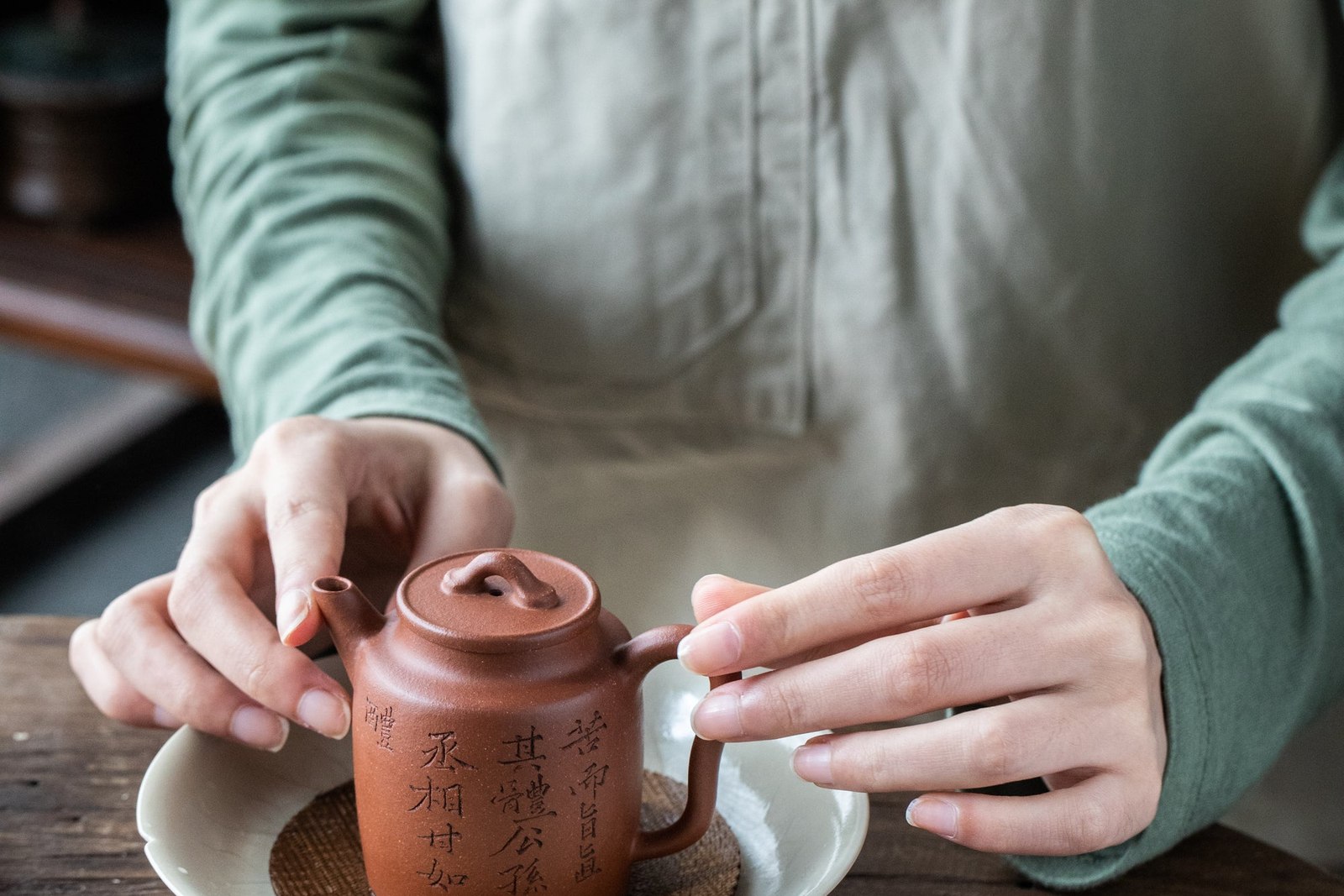
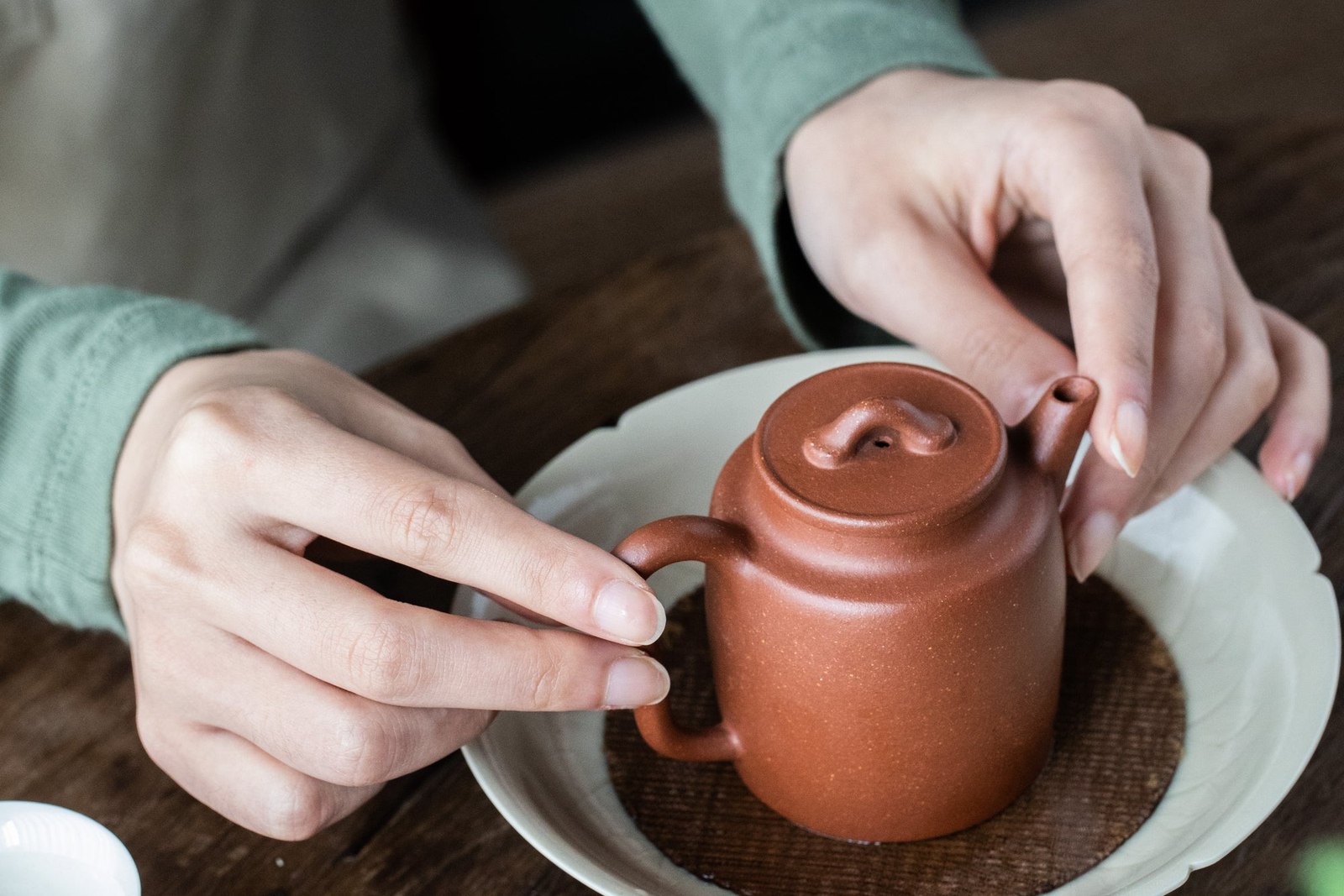
Choose an ordinary container and describe the sequence of opening it. Does the lid lift, twist, slide or hinge? Does the action need one hand or two? Observe only what is appropriate for the object; a closed collection item should remain closed unless its custodian authorises handling.
Look for the threshold
Compare the size of the opening with the size of the body. A small neck and a wide mouth make different actions possible. A handle may support carrying while a separate catch secures the lid. Record these parts individually before deciding how they work together.
Marks and wear can raise useful questions, but they rarely provide a complete answer. A polished area near a closure may suggest repeated contact; it does not prove who used the object or what it contained. Look for labels, catalogue records or other evidence before building a story.
When photographing a container you own, include a closed view and an appropriate open view, if opening is safe. Keep a scale reference outside the object. Together, these views document both its appearance and the practical boundary it creates between the contents and the person reaching for them.