What the handle changes about a cup
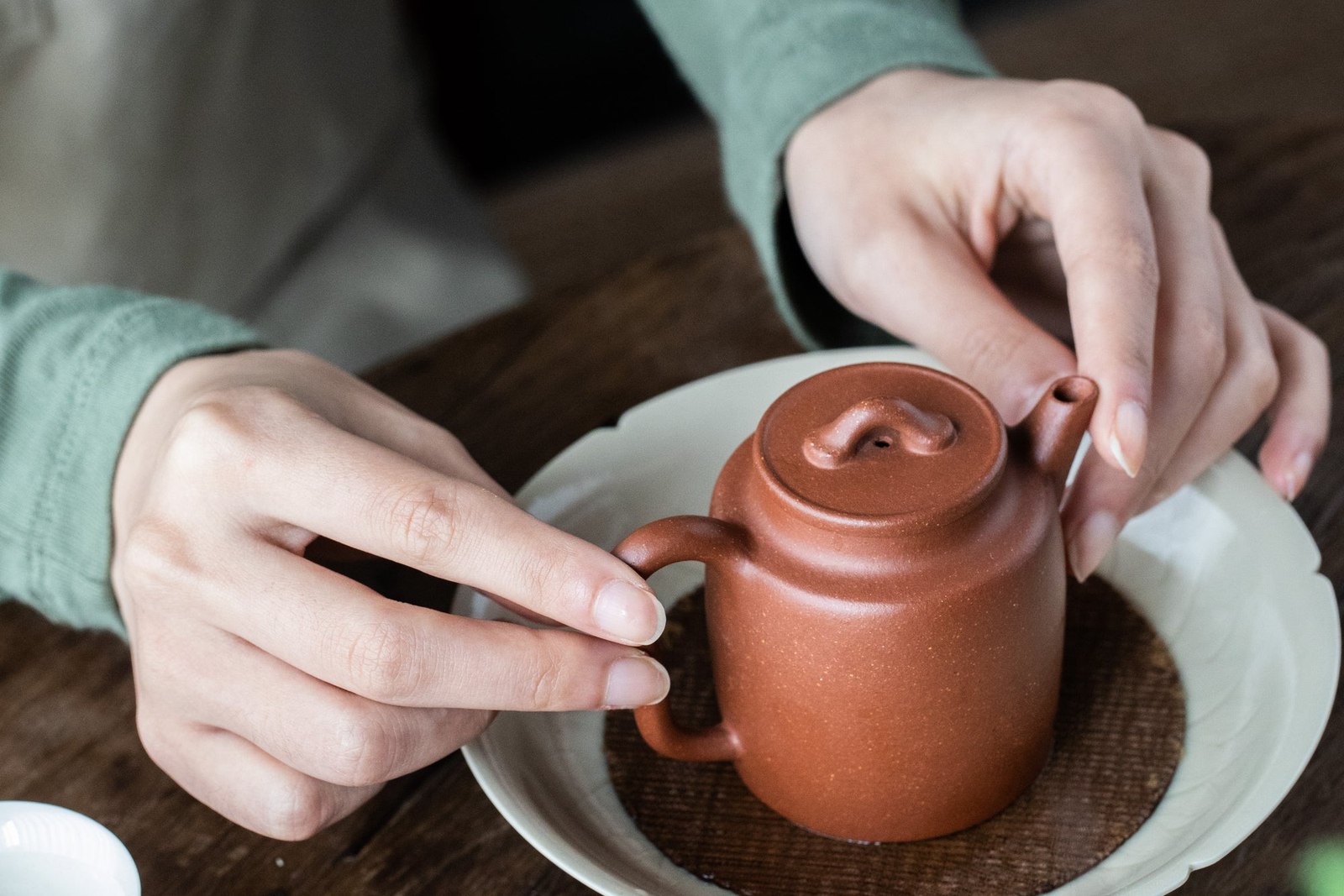
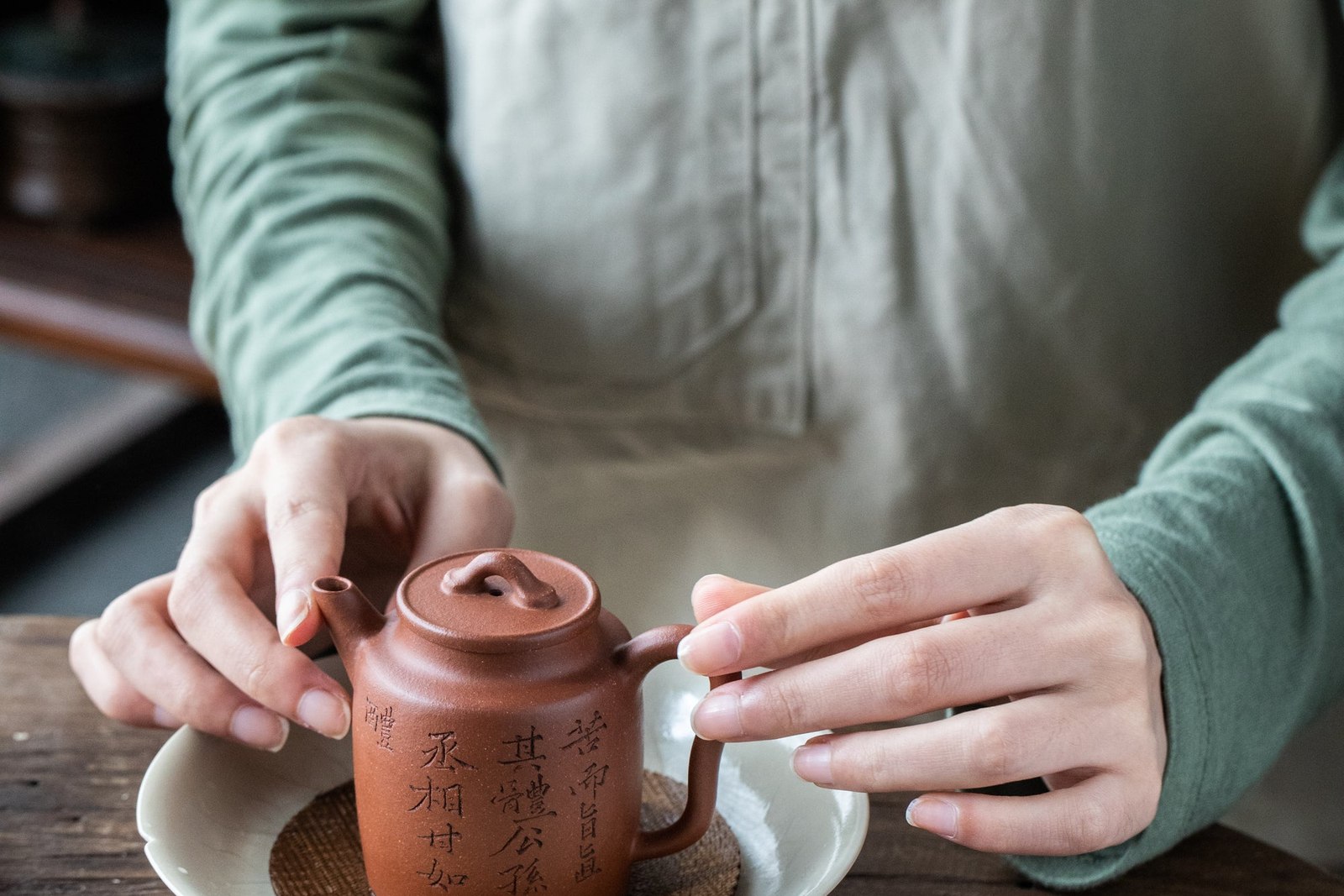
A cup's handle changes the relationship between the vessel and the hand.
A cup's handle changes the relationship between the vessel and the hand. Look at the space it leaves as carefully as the outline it adds.
Begin with an ordinary cup you own and can handle safely. Notice the opening, the thickness of the handle and where it joins the body. Does your usual grip fit without squeezing? Does a finger touch the vessel itself? Keep the cup empty during this observation; testing a grip with a hot drink adds an unnecessary risk.
Read the whole object
Set the cup down and look at the handle from the side. Its position can make the cup appear balanced, upright or extended even before anyone lifts it. Compare that impression with the base and rim. A delicate-looking handle may be visually prominent because it reaches far from the body.
Describe what you can see before assigning a purpose. “A narrow loop close to the wall” is an observation. “Designed for a particular ceremony” requires evidence about the object and its context.
If you compare cups, keep their size and intended use in mind. One handle is not better simply because it accommodates a larger hand. The useful question is how the object invites a particular way of holding it, and whether that invitation suits the person using it.