Read the label, then look again
A museum label is a starting point for looking, not a replacement for the object beside it.
A museum label is a starting point for looking, not a replacement for the object beside it. Read it once, then check which details it directs you to notice.
Begin with the object's name, attribution, date and material. Notice qualifying language such as “attributed to,” “possibly” or a date range. These words carry information about certainty and should survive if you copy the details into a note.
Return to the object
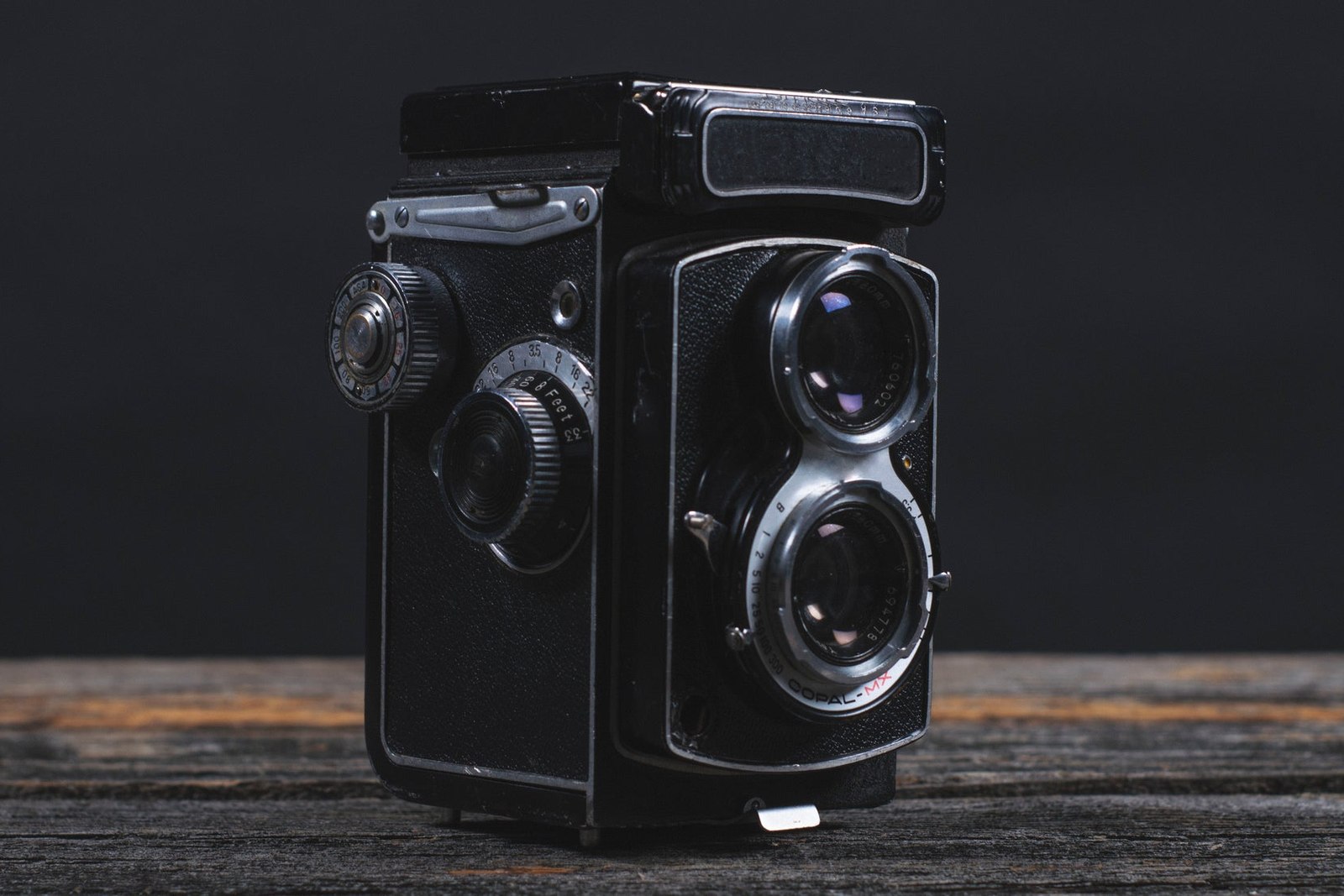
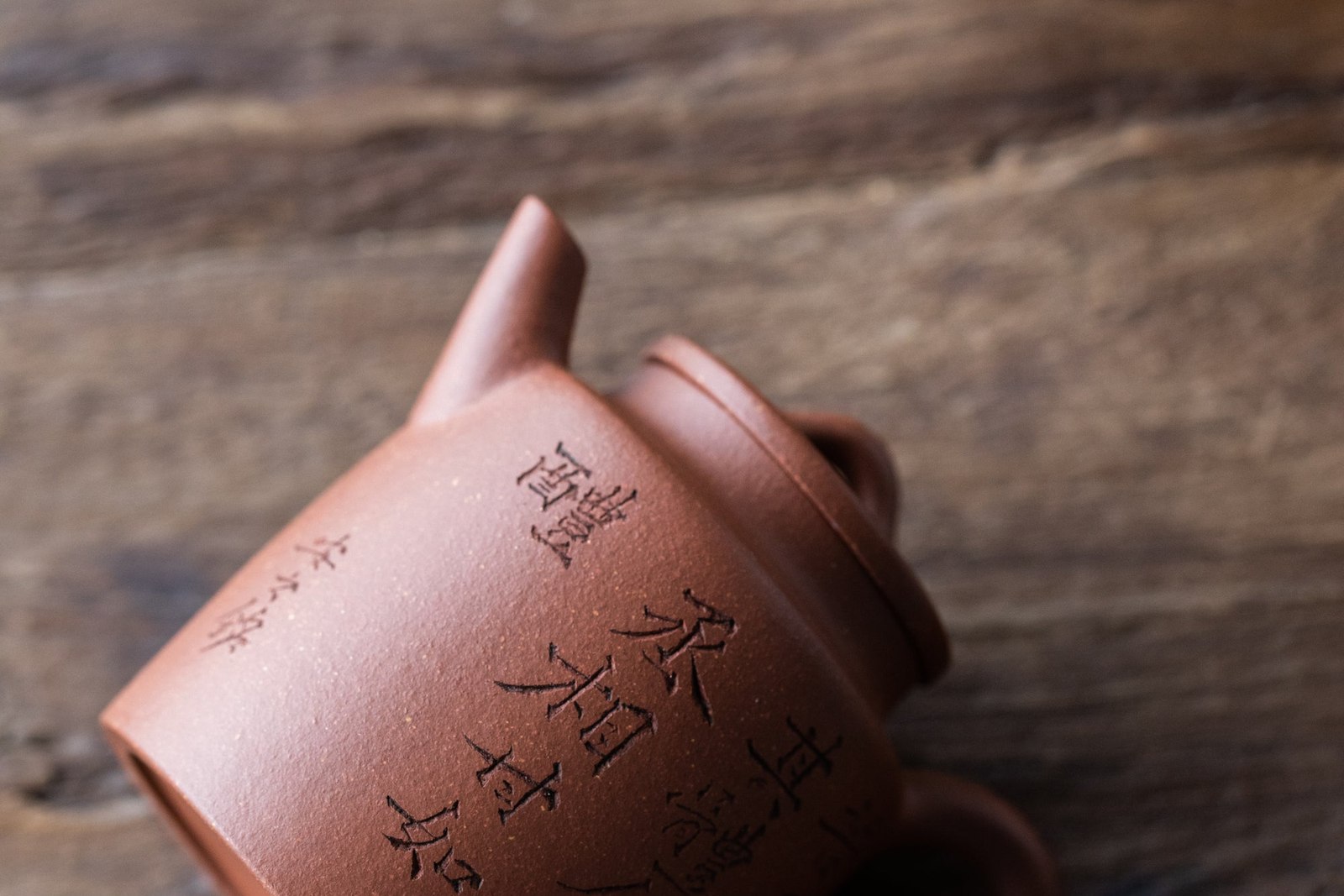
Look for the feature the label discusses: a repaired edge, a manufacturing detail or a relationship to another object. If you cannot see it from the display position, record that limitation instead of inventing a description. Lighting and cases can make some evidence difficult to observe.
Separate the institution's account from your response. Write “the label identifies…” when preserving an attribution, and use a separate sentence for what caught your attention. A photograph of the label can help where photography is permitted, but record the collection reference as well.
Before leaving, ask one question the label did not answer. It might concern use, material or how the object entered the collection. Keep that question attached to the reference. The visit then leaves you with an object you can find again and an inquiry you can pursue, rather than a paragraph copied without another look.