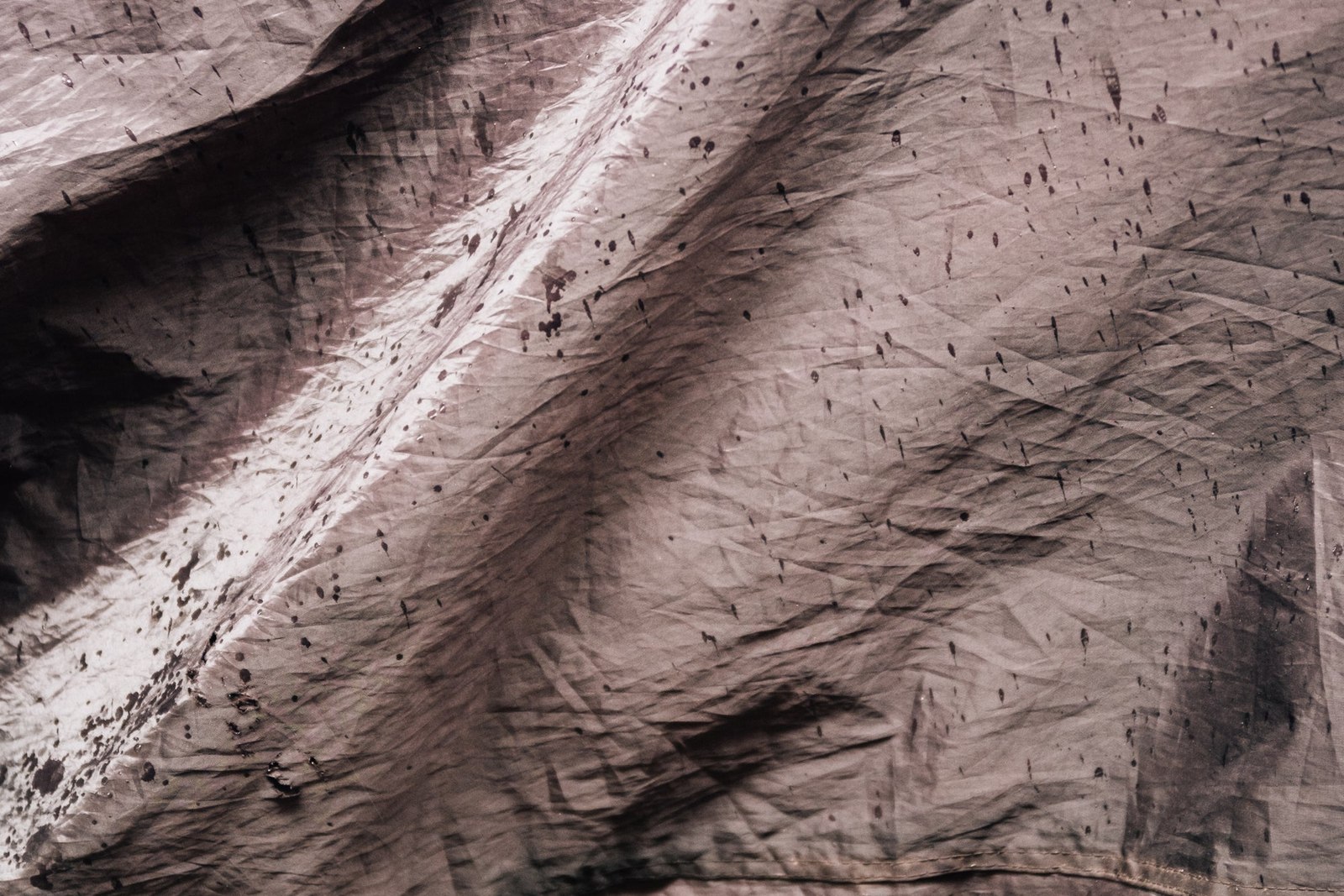
Look at the edge of a woven cloth
A cloth's edge can reveal changes in structure that disappear when you look only at its overall colour.
A cloth's edge can reveal changes in structure that disappear when you look only at its overall colour. Start at the boundary and work inward.
Use a textile you own and can examine safely, or observe a displayed example without touching it. Notice whether the edge appears folded, stitched, fringed or finished by the weave itself. Keep uncertain terms in plain language until you have checked a reliable textile reference.
Follow one feature
Choose a thread, seam or repeated motif and see how it approaches the edge. Does it stop, turn or continue around the cloth? A close photograph can preserve this relationship, but include a wider image so the detail remains connected to the whole object.
Do not pull loose threads or test the strength of an old cloth. Condition and construction are different questions. A damaged area may expose the structure, but that does not make further handling appropriate. Ask a qualified conservator about valuable or vulnerable textiles.
Record the direction of the photograph and the location of the detail. “Upper left edge in the overall view” is more useful than an isolated close-up. This simple habit lets you compare finishes later while keeping observations separate from assumptions about the cloth's origin, age or method of production.