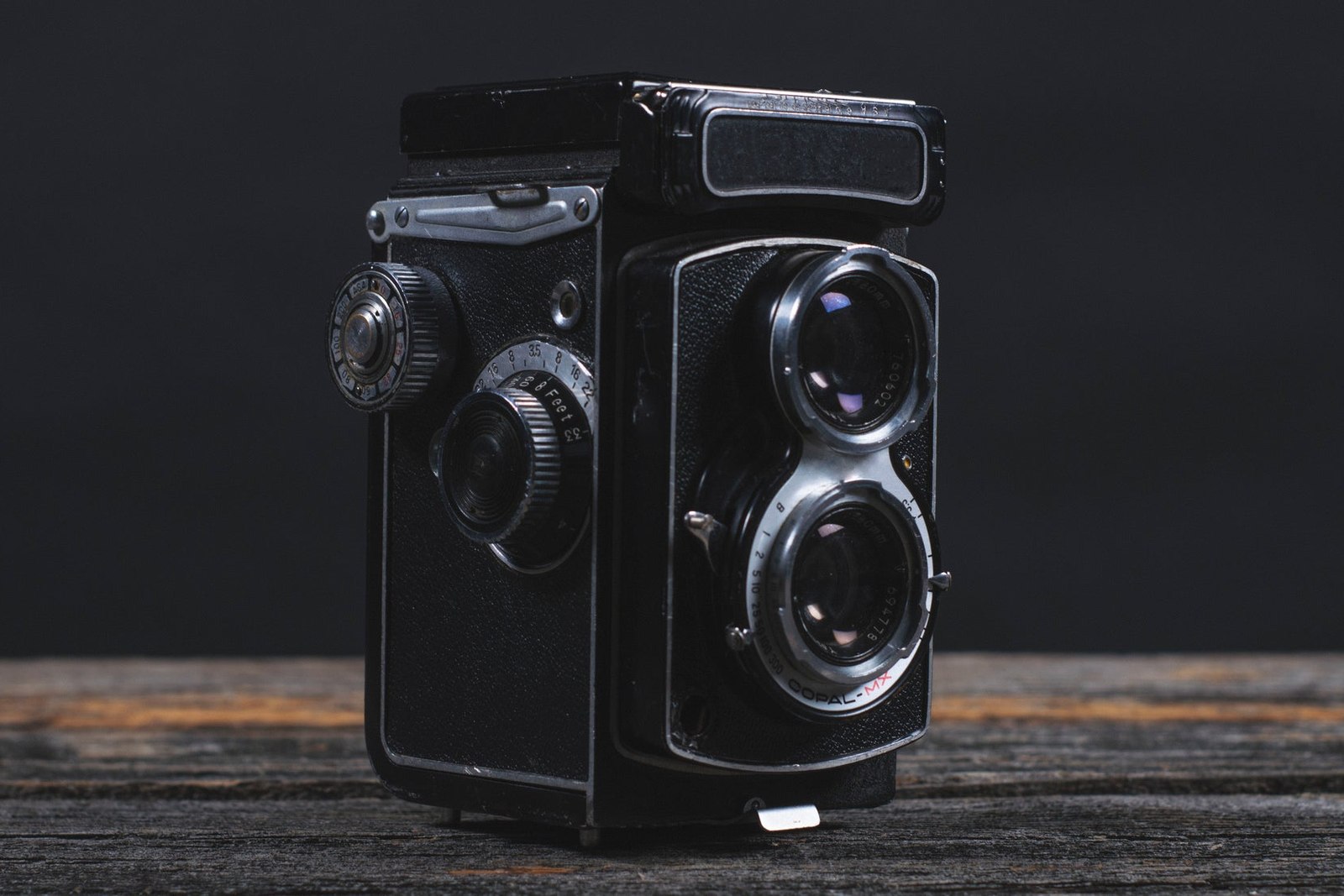
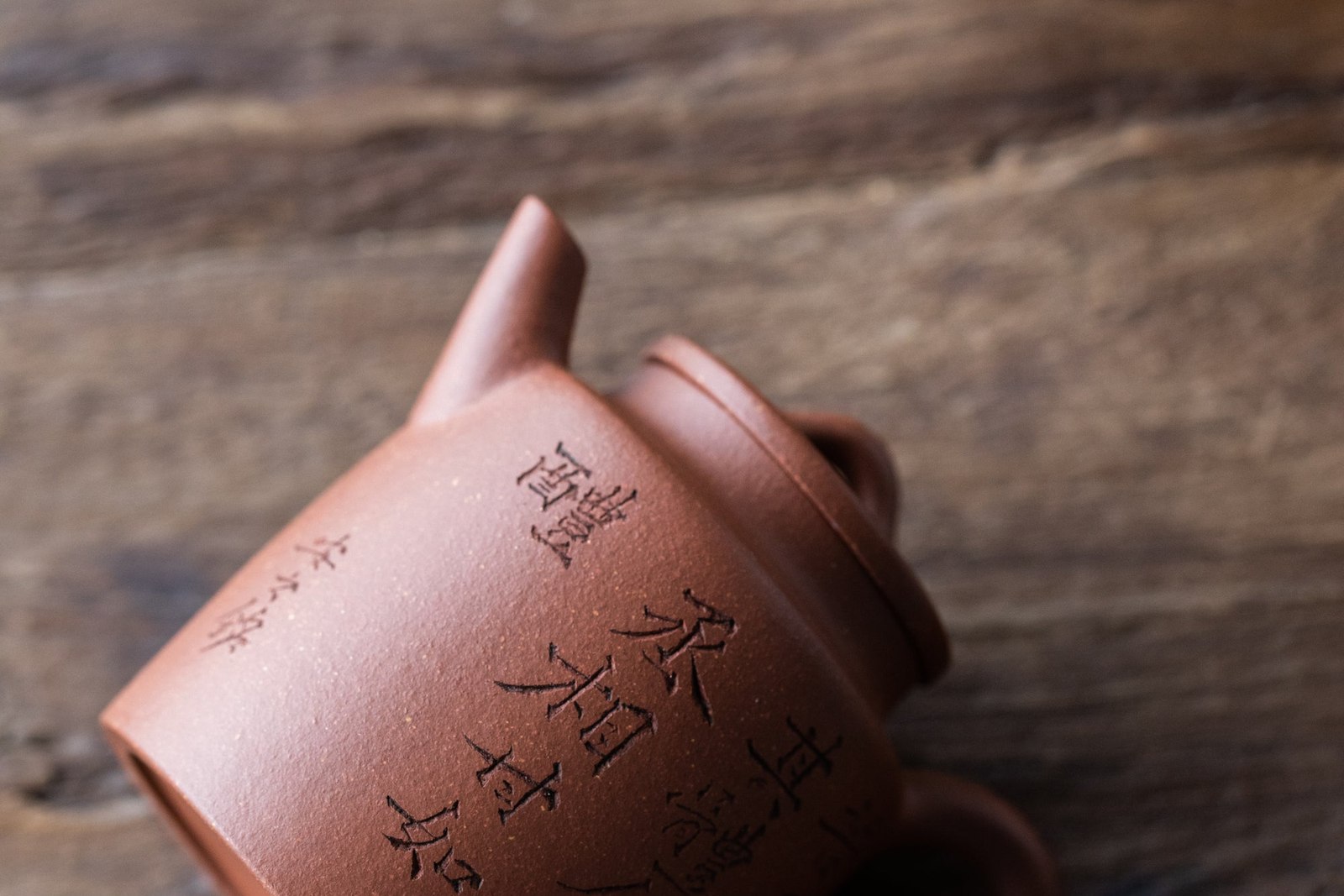
Describe wear before explaining it
Wear is visible evidence of change, but its cause is often less certain than its shape.
Wear is visible evidence of change, but its cause is often less certain than its shape. Describe the mark before deciding what happened.
Choose one area and note its location, colour and relationship to the surrounding surface. Is it a smooth patch, a scratch, a loss at an edge or a change in finish? Use consistent lighting for comparison photographs and avoid rubbing or cleaning the area to make it easier to see.
Keep the explanation provisional
Several actions can produce similar marks. A worn handle may reflect use, storage, cleaning or a later alteration. Without supporting records, “consistent with repeated contact” is a question to investigate rather than a proven account of the owner's habits.
Record existing condition separately from damage that occurs during your ownership. Date the photographs and preserve an overall view so the detail can be located again. For valuable or fragile objects, seek appropriate conservation advice before changing their storage or treatment.
A clear record can still be engaging. The contrast between a polished edge and a dull centre may tell the reader where your eye went. It does not need a fictional owner to become interesting. Keeping observation and interpretation distinct makes room for later evidence to change the story without erasing what was actually seen.