Objects
What the handle changes about a cup
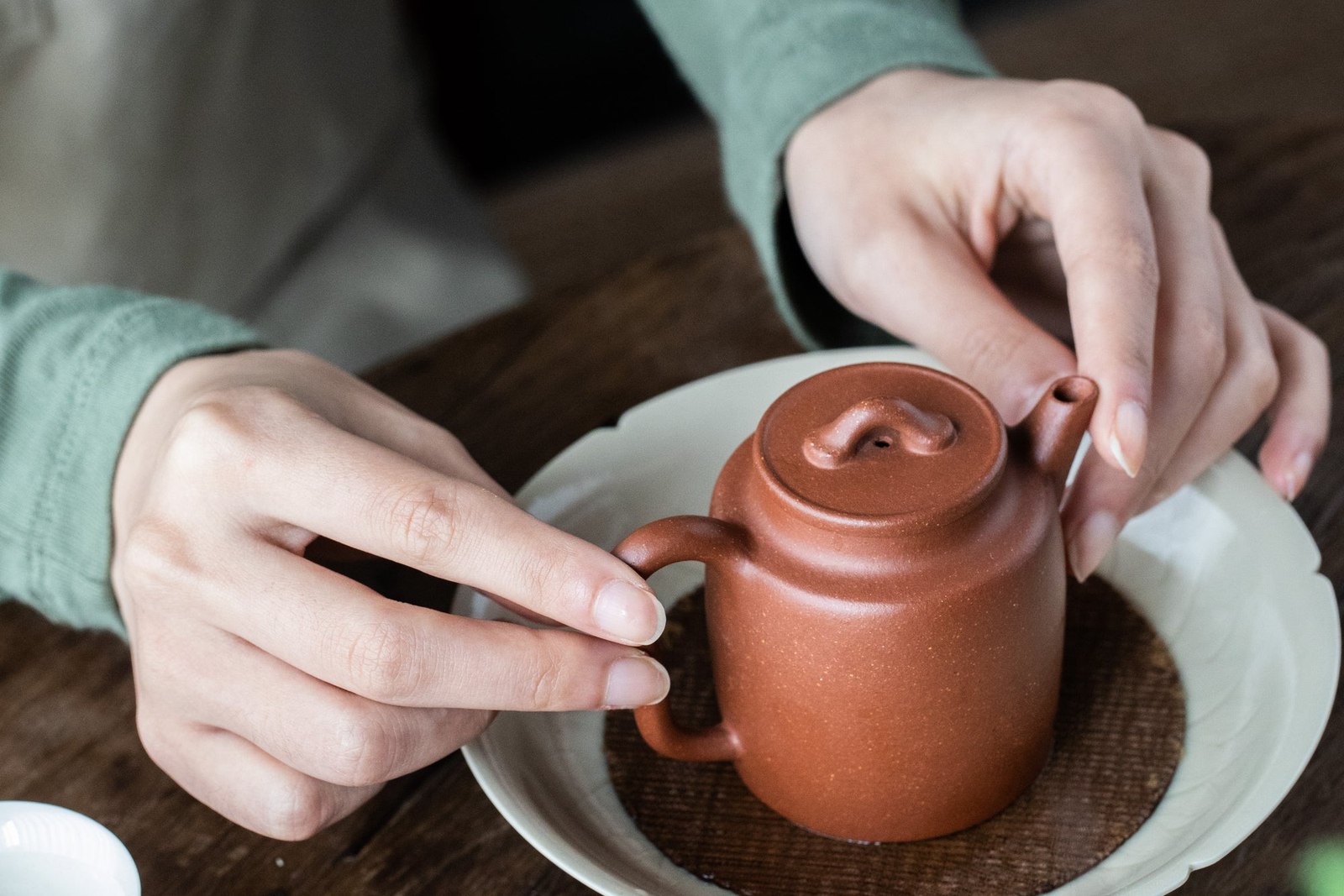
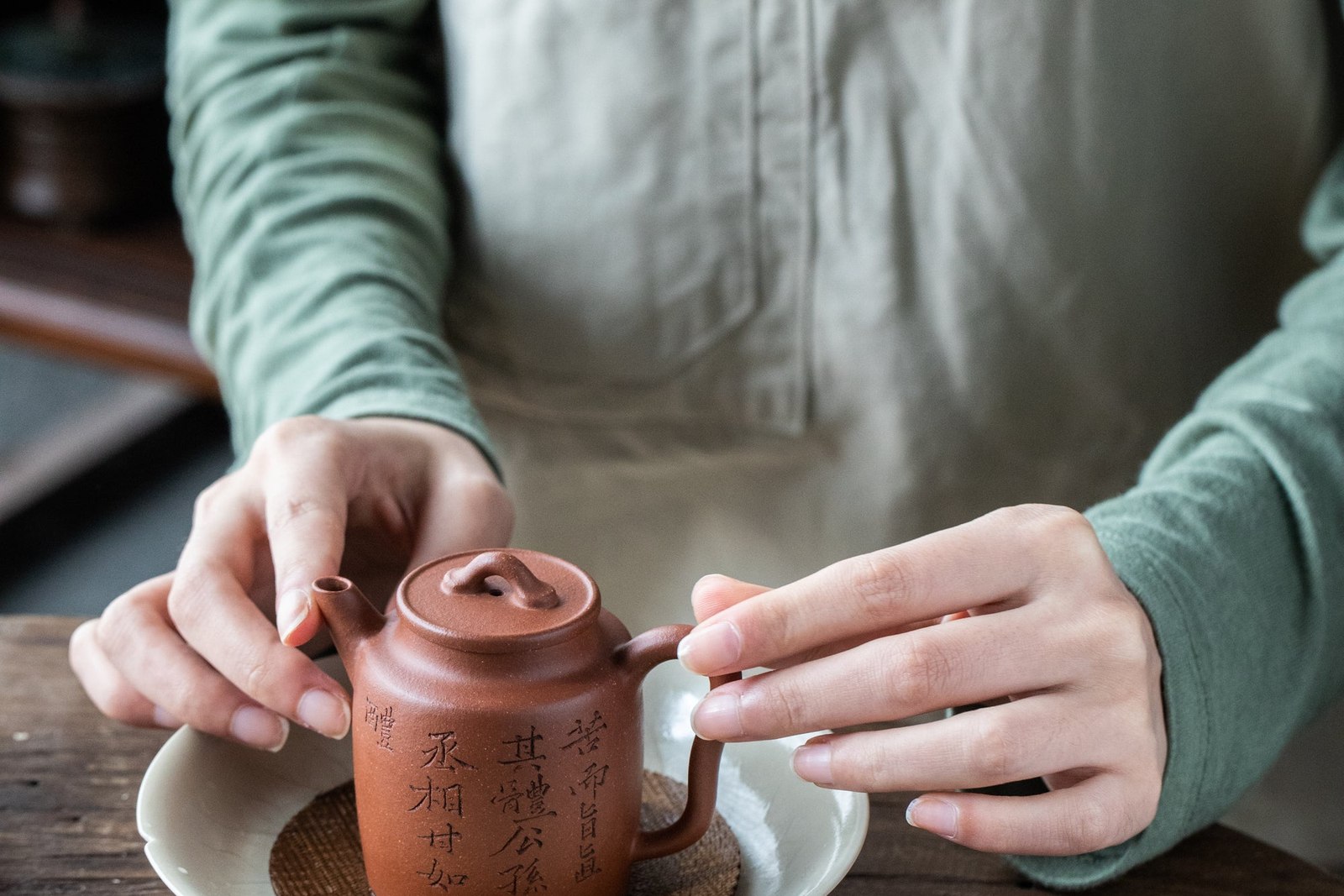
A cup's handle changes the relationship between the vessel and the hand.
Try a broader search or choose another section.
A cup's handle changes the relationship between the vessel and the hand.
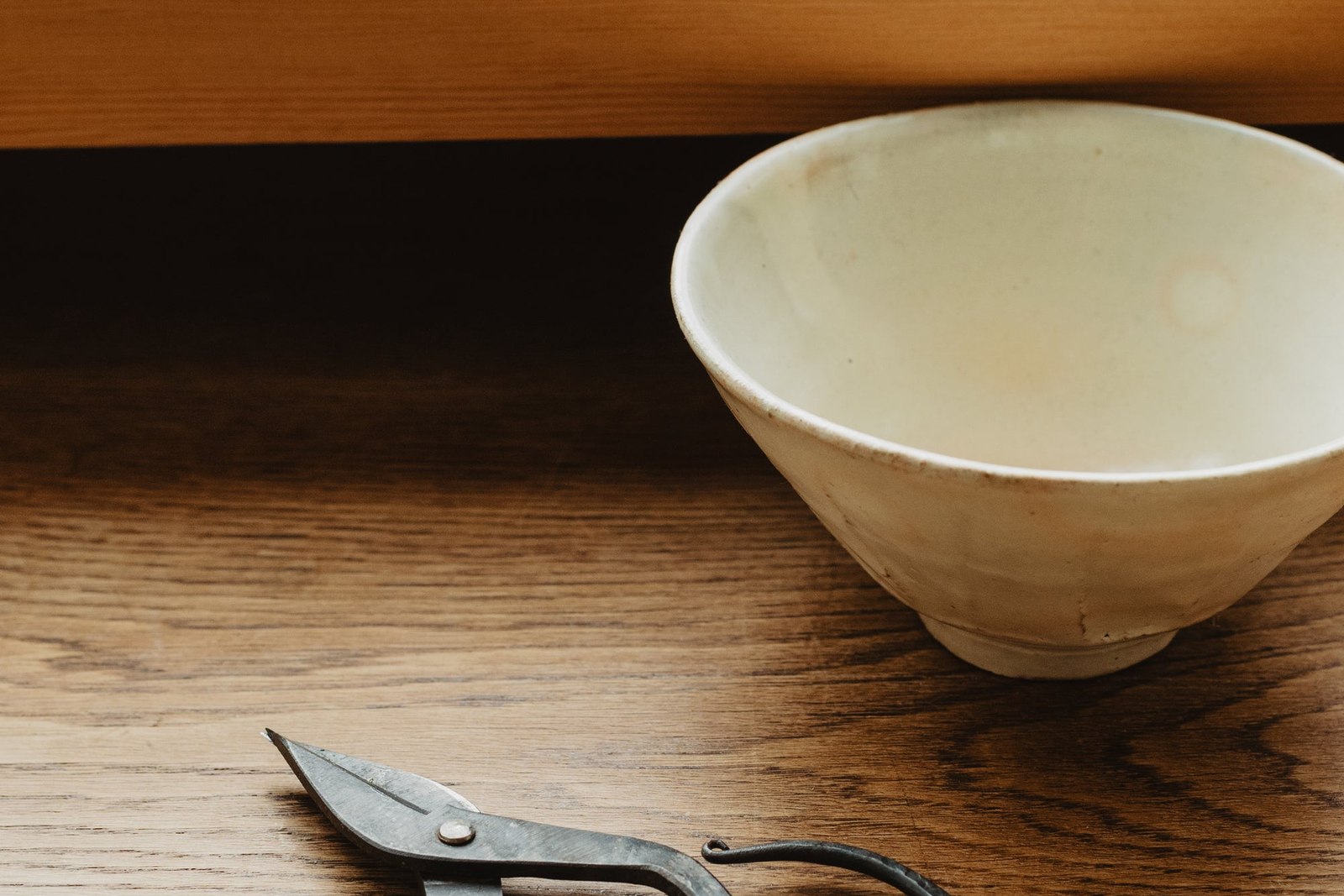
The edge of a bowl is where its inside and outside meet.
A container controls access as well as holding something.
A cloth's edge can reveal changes in structure that disappear when you look only at its overall colour.
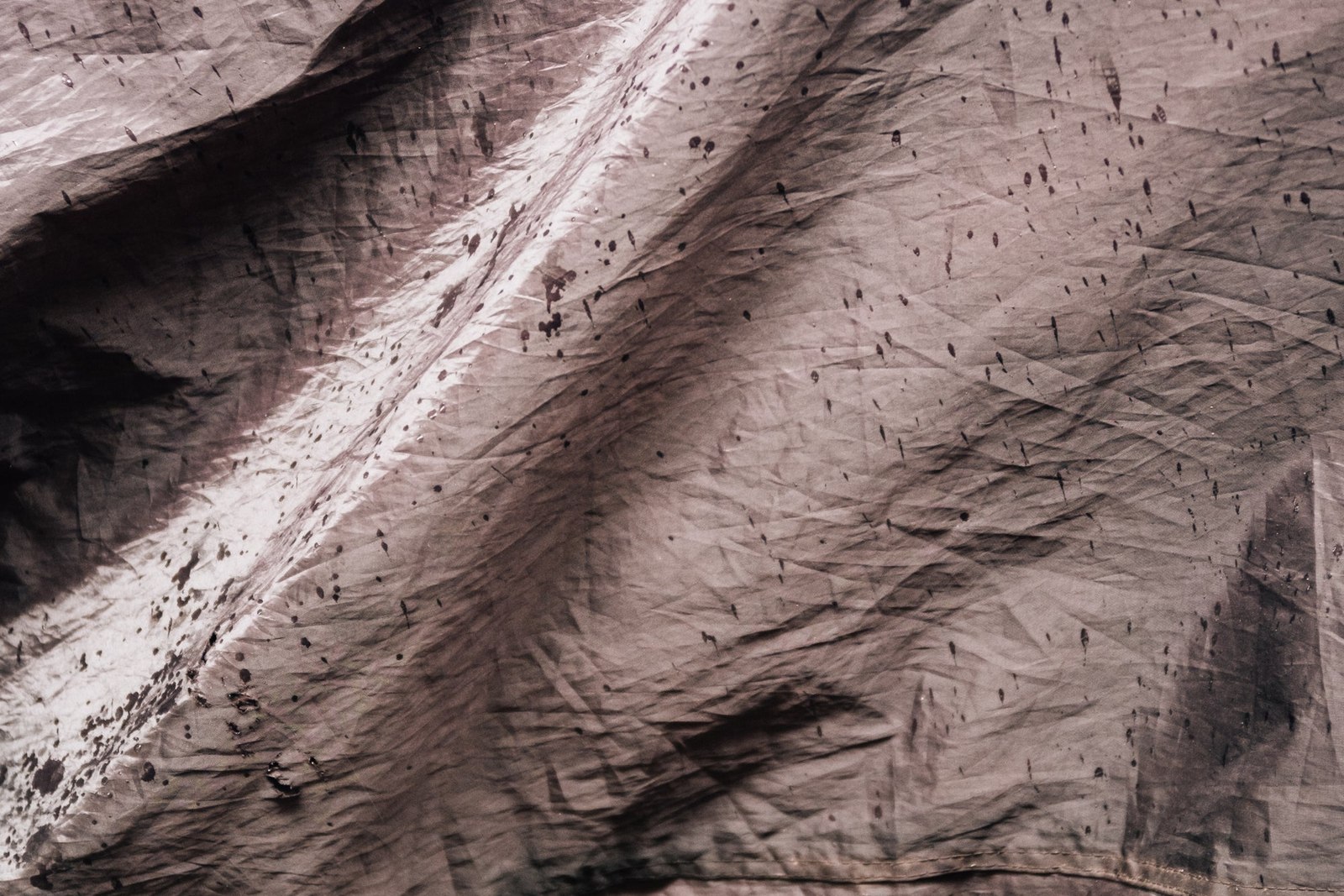
Where two materials meet, the object often changes character.
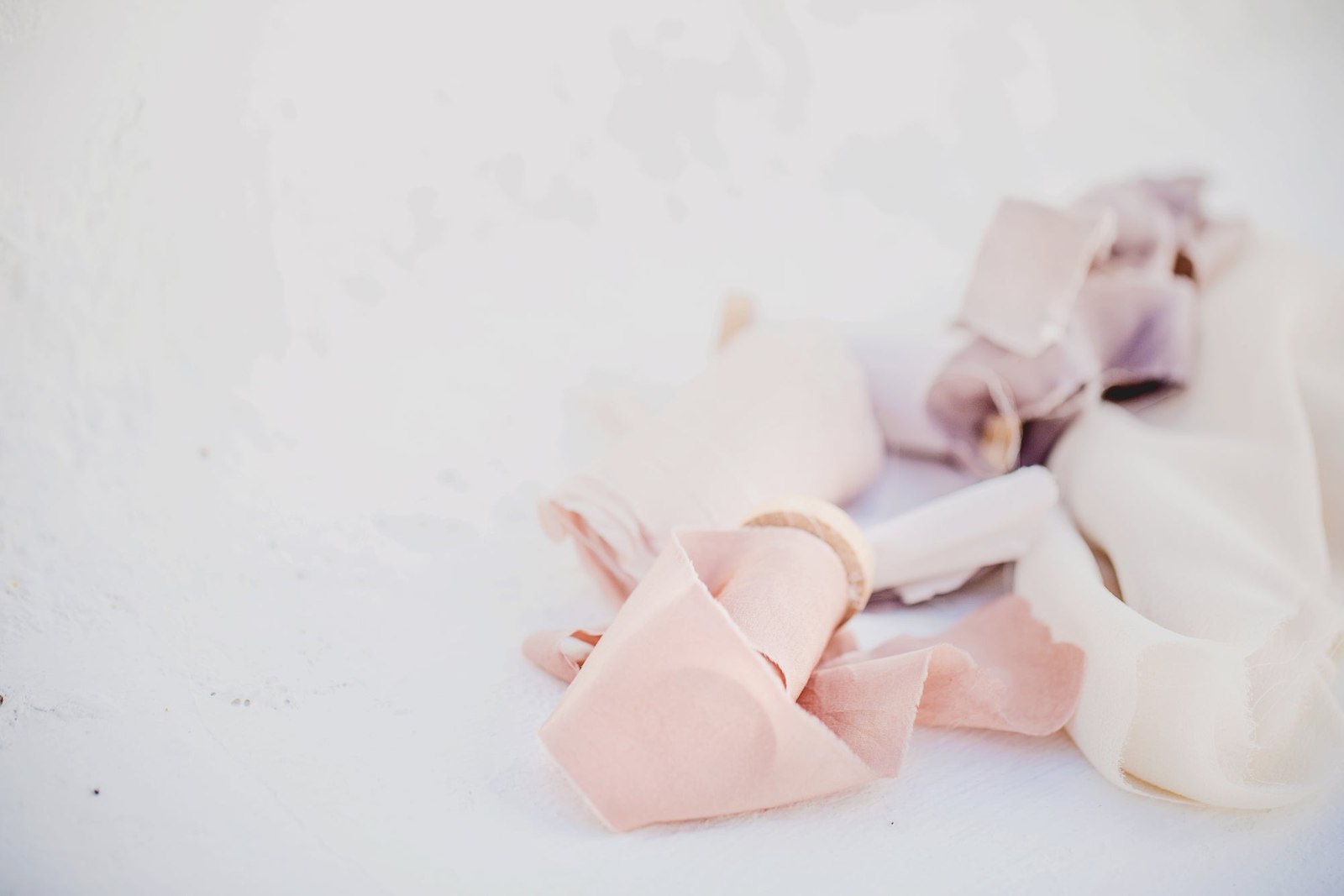
A museum label is a starting point for looking, not a replacement for the object beside it.

A close photograph can make a small object look monumental.

Wear is visible evidence of change, but its cause is often less certain than its shape.
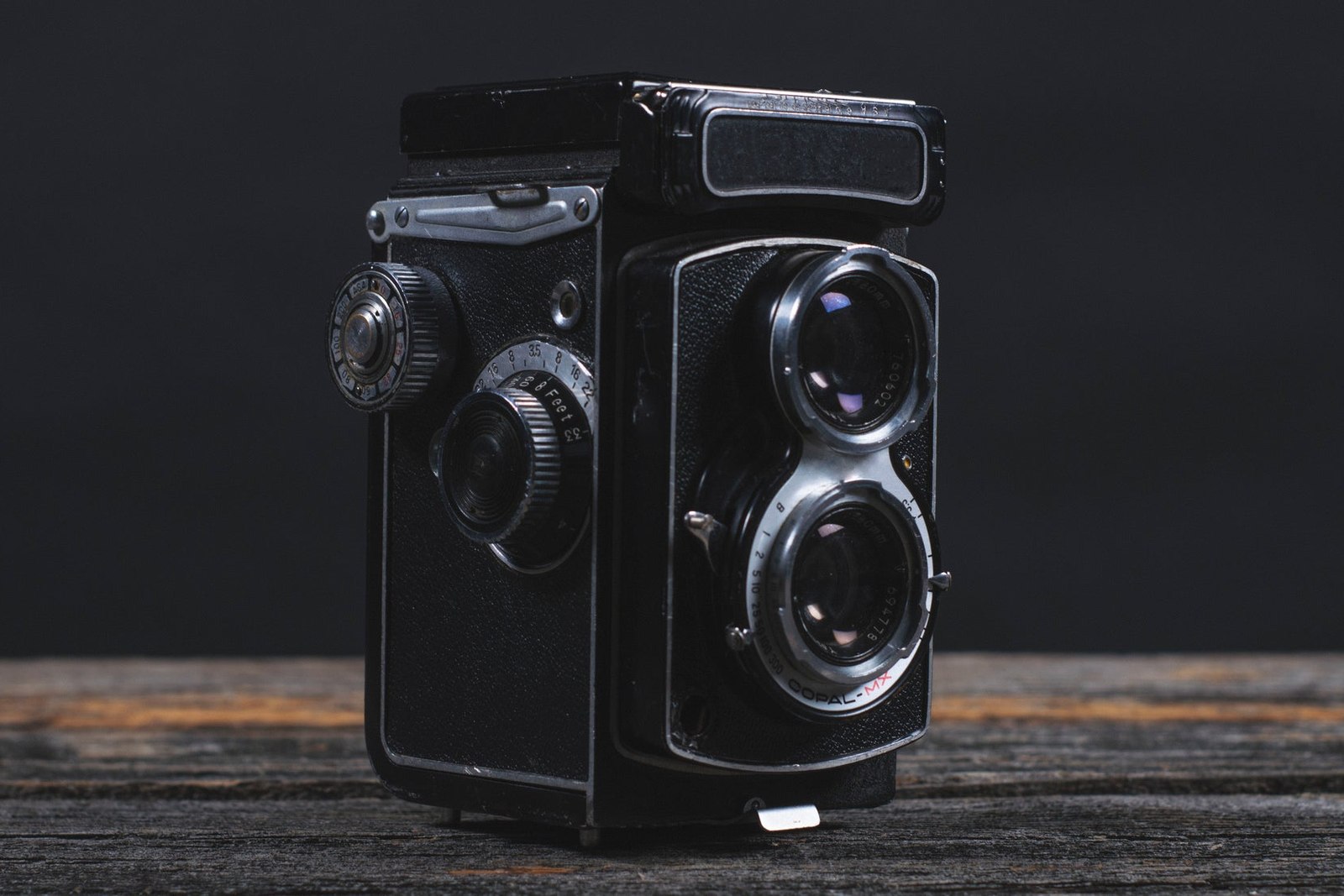
A replica can explain one part of an object while leaving another part uncertain.
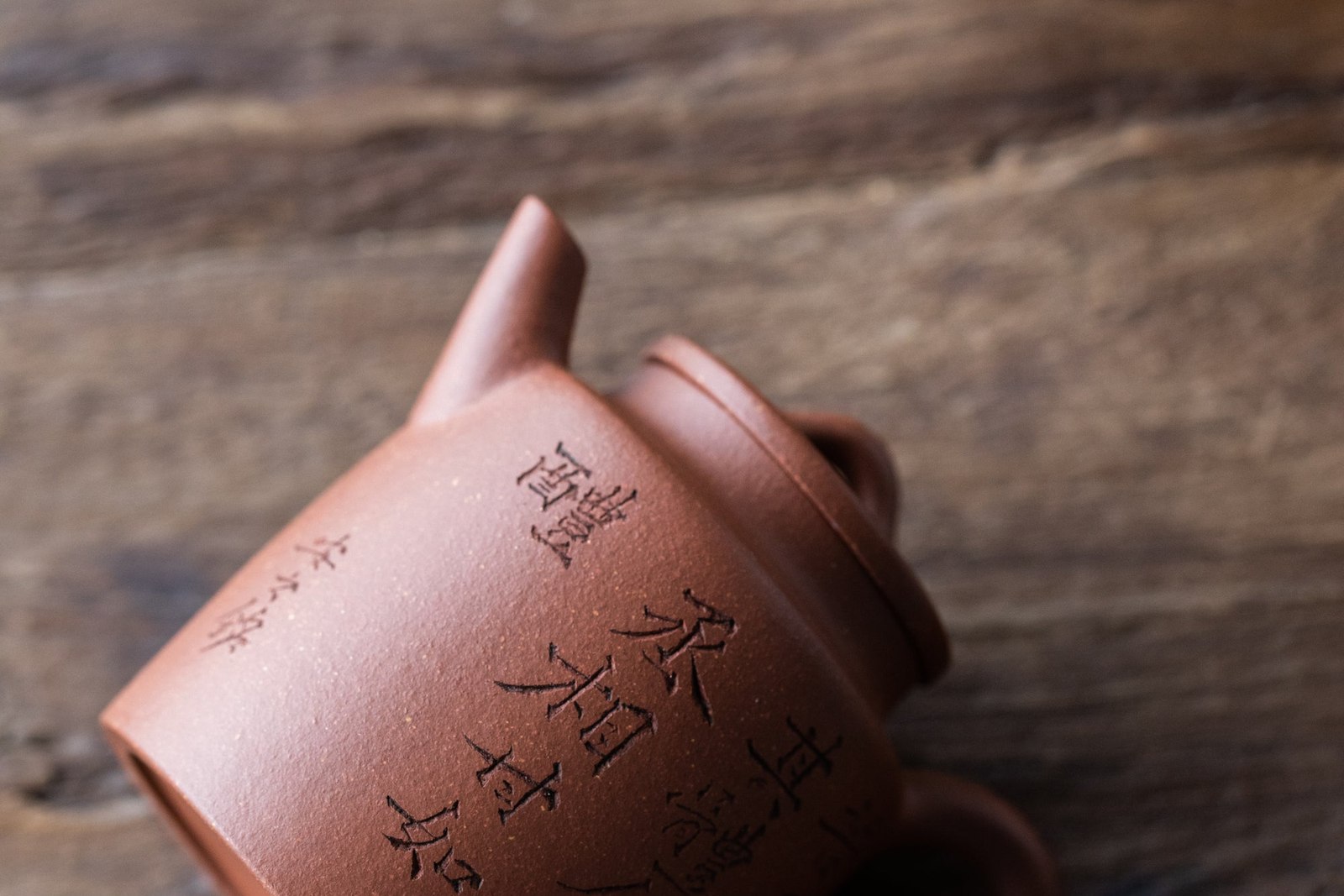
An object is rarely displayed alone.

A family-photo caption should preserve what is known and leave a clear place for corrections.
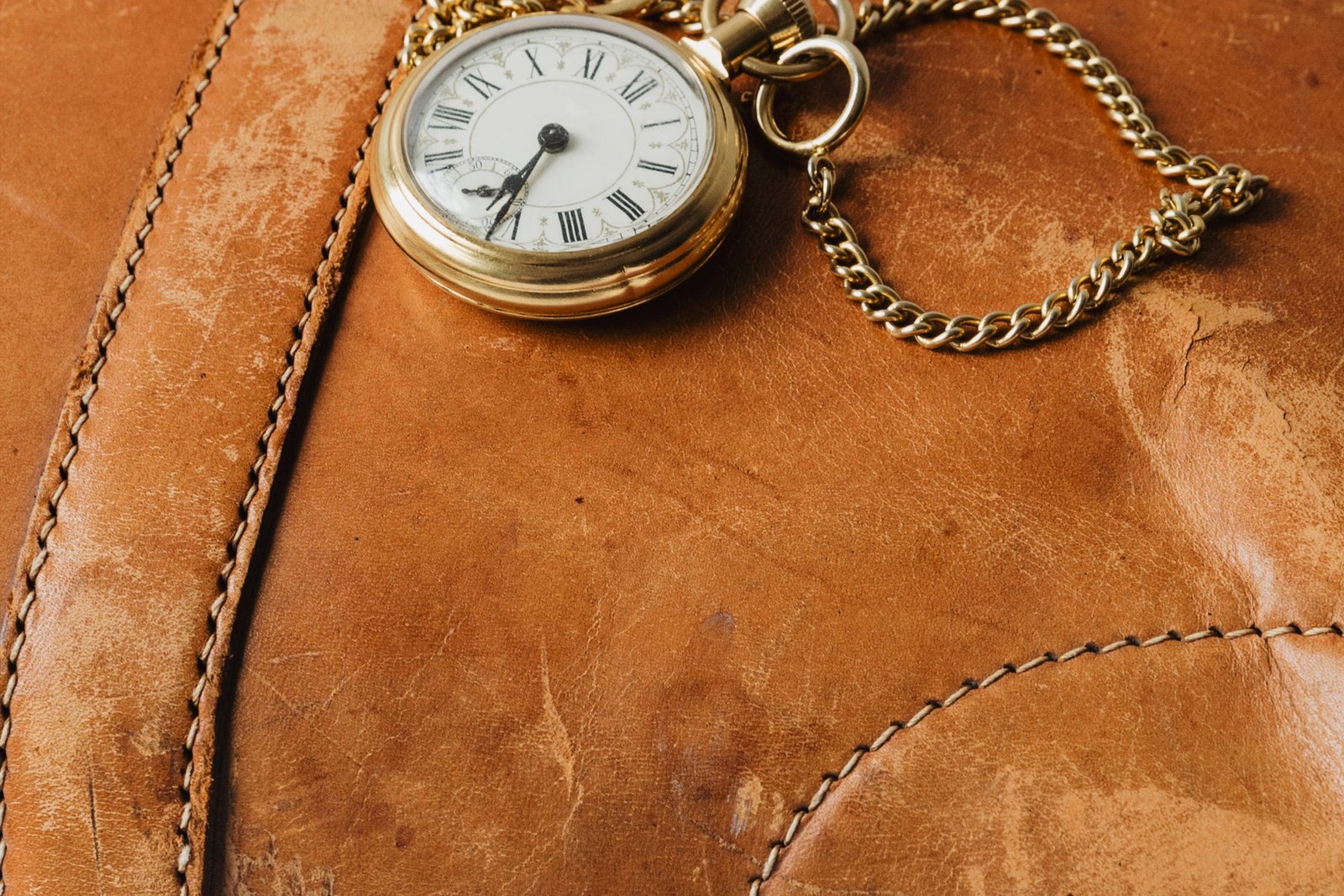
A small collection needs an inventory that helps you find and distinguish its objects.

Loose papers need a useful first home before they need a perfect classification.

A packing note explains how a fragile object was placed in its container.
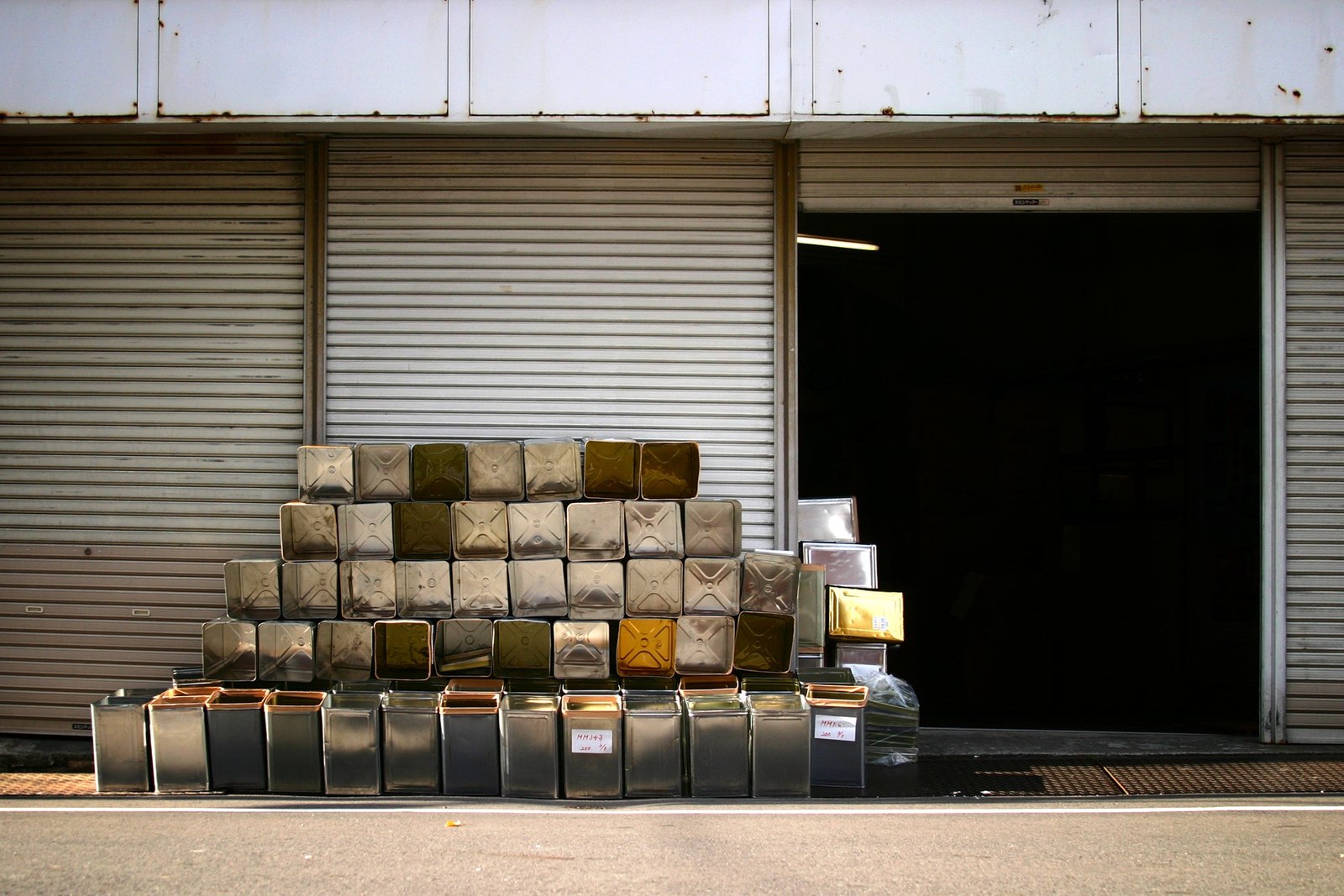
When an object leaves a collection, its record should explain where it went and what information travelled with it.

An object's history can contain a gap without becoming an invitation to invent a connecting story.
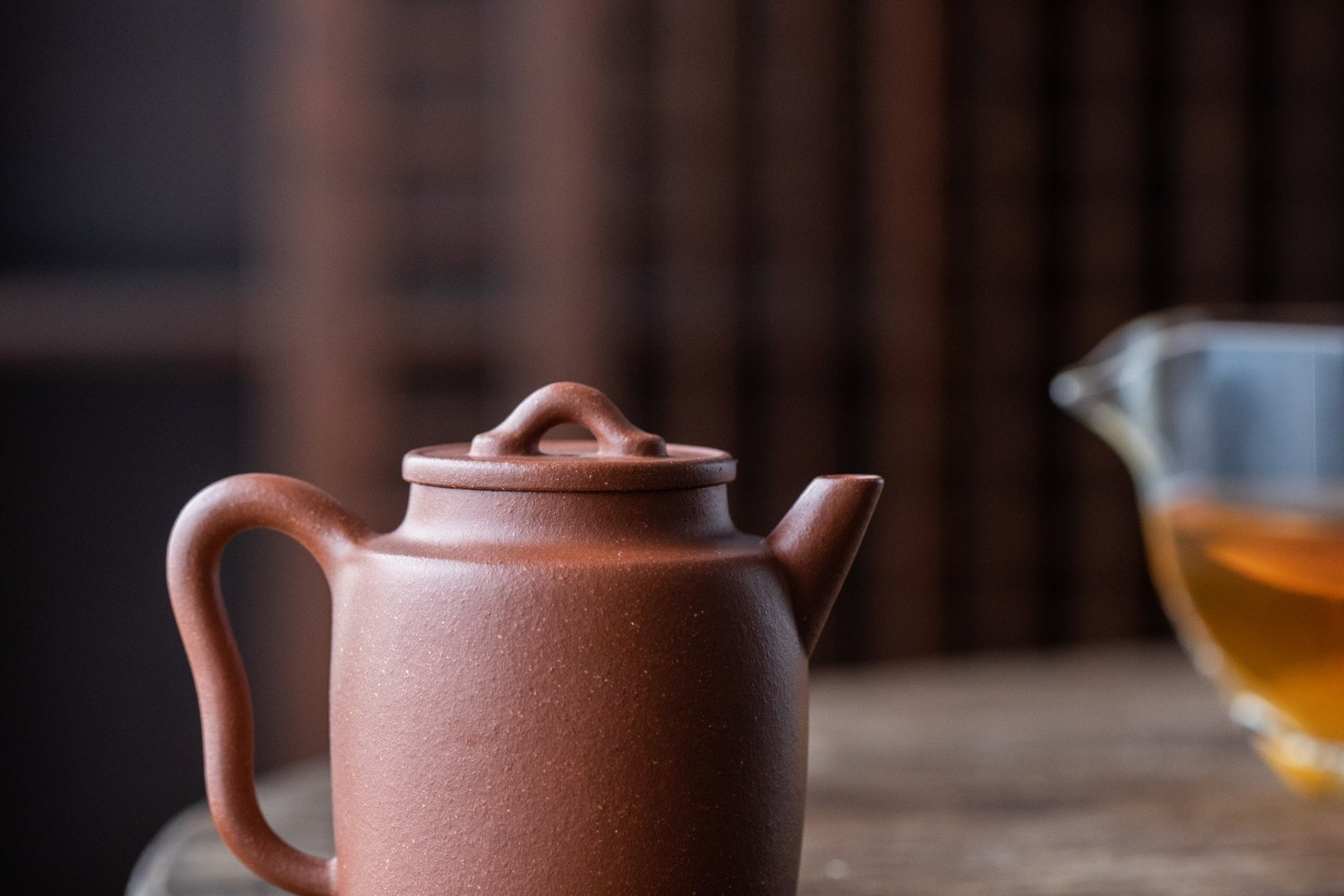
A source and the story built from it should remain distinguishable.

An oral account contains a speaker's words, your questions and your later interpretation.
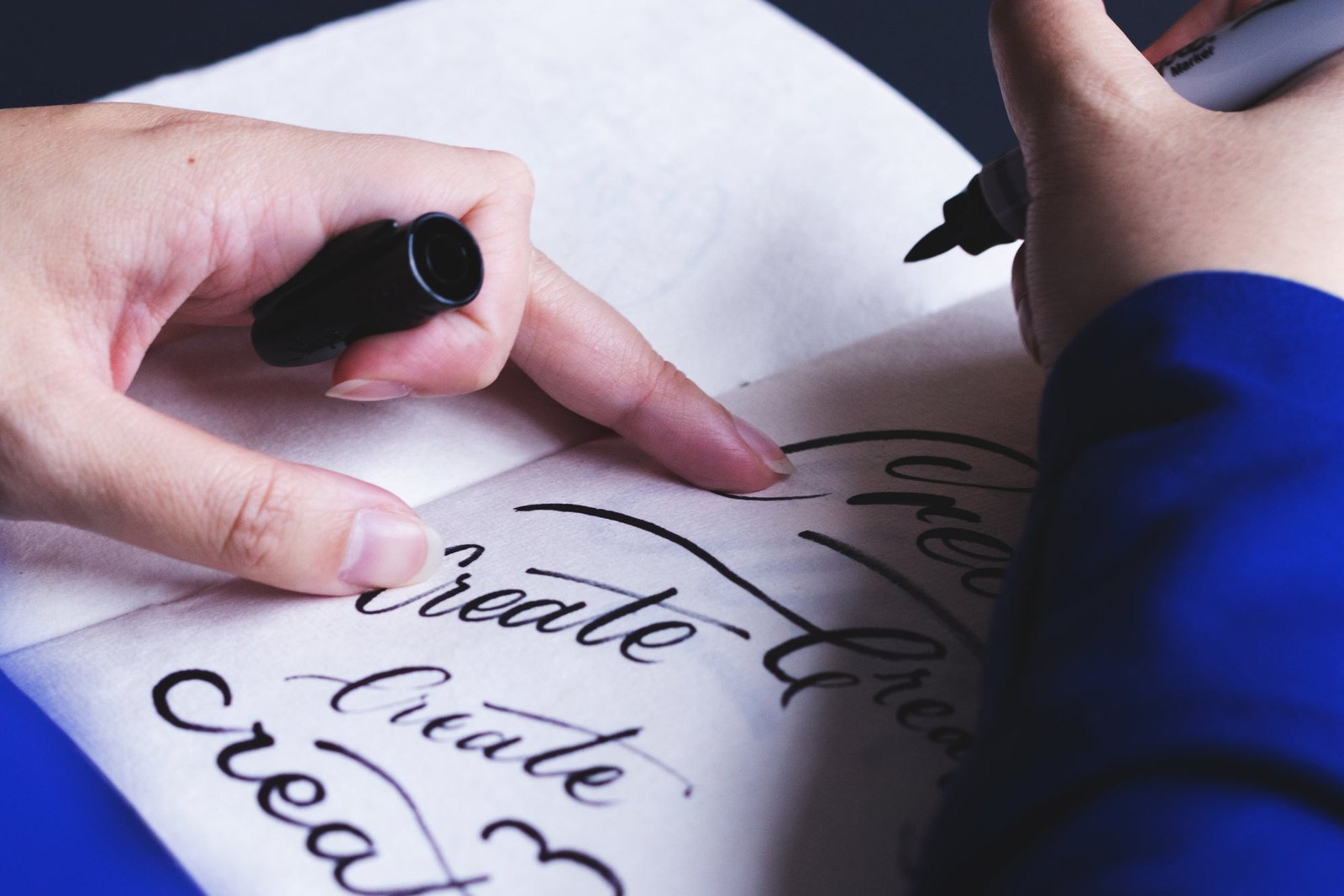
An uncertain date should show both the estimate and its basis.
A craft term can change meaning across trades, places and periods.